Window: A Modern Font for Playful Design
What if a single typeface could instantly infuse your project with a sense of whimsy and contemporary charm? Introducing Window, a delightful script font that blends energetic flair with modern elegance, offering a fresh solution for designers seeking to inject personality into their visual communication.
Understanding the Visual Language of Window
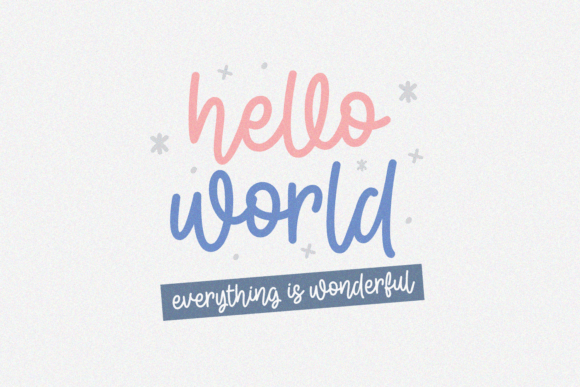
Window is a whimsical, single-line script font characterized by its flowing titling and swash elements. This creates a unique visual harmony, balancing playful movement with a clean, modern aesthetic. Its design is not merely decorative; it serves a specific function in modern graphic design and visual hierarchy. The font’s inherent charm makes it particularly effective for projects that require a radiant, approachable tone, moving beyond static, rigid typography to create a more dynamic user experience.
In the context of brand identity, choosing a typeface like Window is a strategic decision. It communicates specific brand values—creativity, joy, and innovation—without a single word of copy. For logo design, its distinctive character can help a brand stand out in a crowded marketplace, especially within industries like children's products, artisanal goods, or lifestyle services.
Practical Applications Across Design Disciplines
The true strength of any creative asset lies in its versatility. Window’s adaptable nature allows it to enhance a wide array of projects, ensuring consistency and visual impact across different media.
- Branding and Marketing Materials: From custom t-shirts and vacation graphics to birthday invitations, Window adds a personal, handcrafted feel. It strengthens brand identity by creating a cohesive look across physical and digital marketing materials.
- Digital and Social Media Content: In the fast-paced world of digital marketing and social media graphics, grabbing attention is paramount. Window’s playful script is ideal for Instagram stories, Pinterest pins, and YouTube thumbnails, boosting user engagement through its inviting aesthetic.
- Editorial and Packaging Design: For editorial design, such as magazine headlines or feature quotes, it adds a touch of elegance. In packaging design, it can elevate a product’s shelf appeal, suggesting quality and creativity to the consumer.
- Web and UI Design: When used judiciously—such as for call-to-action buttons, hero section headings, or decorative accents—Window can enhance web design and UI design, guiding the user’s eye and improving the overall UX design by adding visual interest.
Tips for Effective Implementation
Integrating a distinctive font like Window into your design workflow requires thoughtful application to maintain professional presentation and readability.
First, consider visual hierarchy. Window is best used for headlines, subheadings, or accent text. Pairing it with a clean, neutral sans-serif font for body copy ensures clarity and balance. This contrast allows the script font to shine without overwhelming the reader or compromising scalability across different screen sizes.
Second, evaluate compatibility with your existing color palette and imagery. Its modern elegance pairs well with both vibrant, playful colors and more subdued, sophisticated tones. Ensure the font’s personality aligns with your project’s core message and audience expectations. For instance, in children's education illustrations, its whimsy is an asset, whereas for a luxury brand, it might be used more sparingly.
Finally, test extensively. View your designs at various sizes and on different devices to ensure the delicate strokes of the script remain legible. This attention to detail is what separates good design from great, ensuring your creative projects—from stickers and sublimation projects to full-scale advertising campaigns—achieve their intended impact.
In the ever-evolving landscape of design trends