Madison Bowie: Elevating Design with Elegant Script
In the crowded landscape of digital and print design, the right typeface can be the silent ambassador that bridges a brand's core message with its audience. Among the myriad of creative assets available, the Madison Bowie font emerges as a particularly compelling solution for projects demanding a blend of sophistication and approachable charm. This graceful handwritten script is more than just a set of letters; it's a versatile design tool that injects personality, warmth, and a professional polish into any visual composition.
Understanding the Madison Bowie Aesthetic
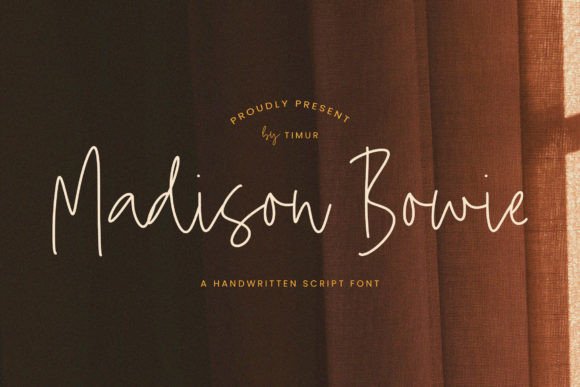
At its core, Madison Bowie is a study in balanced typography. Its flowing curves and gentle, deliberate strokes create a rhythm that feels both modern and timelessly classic. This unique character makes it exceptionally effective for visual communication where establishing an emotional connection is key. Unlike rigid sans-serifs or overly ornate scripts, it maintains excellent readability while delivering a distinct aesthetic. For graphic designers, this means it can serve as a primary headline font or a powerful accent element without overwhelming a layout or sacrificing clarity.
Practical Applications Across Creative Projects
The true value of a font like Madison Bowie lies in its adaptability across diverse design contexts. Its elegance naturally lends itself to projects where a personal, refined touch is essential.
- Branding and Logo Design: It excels in crafting logos and brand identities for boutiques, creative agencies, lifestyle brands, and personal services, instantly communicating quality and attention to detail.
- Marketing and Editorial Design: From wedding invitations and greeting cards to magazine headlines and book covers, it adds a layer of tactile elegance that engages readers on a sensory level.
- Digital Presence and Social Media: In web design, UI elements, or social media graphics, it can highlight key messages, quotes, or calls-to-action, improving user engagement and visual hierarchy. Its clean rendering ensures it looks sharp on screens.
- Packaging and Merchandise: Applied to product packaging, labels, or merchandise, it elevates the perceived value of the item, making it ideal for artisanal goods, cosmetics, or specialty foods.
Integrating Fonts into a Cohesive Design System
When incorporating a distinctive script like Madison Bowie into your work, strategic implementation is crucial for maintaining a professional presentation. Consider these practical tips for your design workflow:
- Pair with Purpose: Combine it with a clean, neutral sans-serif or a classic serif for body text. This creates a strong visual hierarchy, where the script draws attention and the supporting font ensures readability for longer passages.
- Respect Context and Audience: Evaluate if its elegant style aligns with your project's goals and audience expectations. It’s perfect for luxury, romance, and creativity but might not suit a tech startup's primary interface.
- Test for Scalability and Color: Always test the font at various sizes and against your chosen color palette. Ensure it remains legible on complex backgrounds and at small scales, especially for web design and UI design applications.
- Maintain Consistency: Use it sparingly and consistently as part of your brand identity system. Overuse can dilute its impact. Define clear rules for its application in your style guide.
Ultimately, the thoughtful selection of typography is a fundamental pillar of effective graphic design. Fonts like Madison Bowie provide designers and creators with a powerful asset to shape perception, tell a story, and create memorable experiences. By aligning such creative assets with strategic design principles—considering composition, color, and audience—you ensure that every visual touchpoint not only looks beautiful but also communicates with intention and clarity, significantly enhancing the overall quality of your creative output.