Gradientline: The Modern Script Font for Dynamic Design
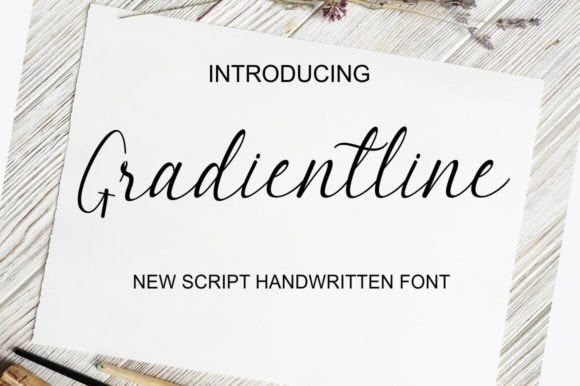
In the crowded landscape of digital typography, finding a font that feels both fresh and timeless can be a challenge. Gradientline rises to meet this need, offering a modern script font that masterfully blends fluid, hand-drawn strokes with meticulous curves. This typeface is more than just letters; it's a dynamic tool for visual communication, designed to inject elegance and contemporary flair into any creative project.
Understanding Gradientline's Design Philosophy
At its core, Gradientline is built on the principle of balanced contrast. Its seamless lines provide a sense of movement and energy, while its refined structure ensures legibility and sophistication. This duality makes it exceptionally versatile. It avoids the overly casual feel of some handwritten fonts and the rigidity of formal scripts, striking a perfect middle ground that appeals to modern aesthetics. For graphic designers, this means a single asset can serve multiple purposes across a brand system, maintaining a cohesive yet lively visual identity.
Practical Applications Across Design Disciplines
The true value of a font like Gradientline is revealed in its application. Its character shines across a wide range of creative projects, enhancing both digital and print mediums.
- Branding and Logo Design: Use Gradientline to craft memorable wordmarks or logo accents. Its fluidity conveys approachability and creativity, ideal for lifestyle brands, boutique agencies, or artisanal products.
- Marketing and Social Media Graphics: In the fast-scrolling world of social media, Gradientline helps key messages stand out. Its elegant script is perfect for headlines in Instagram stories, Facebook ads, or promotional banners, adding a personal touch that boosts engagement.
- Editorial and Web Design: For website hero sections, blog titles, or magazine layouts, Gradientline introduces visual hierarchy with a touch of grace. It pairs effectively with clean sans-serif fonts for body text, creating a sophisticated and readable composition.
- Packaging and Merchandise: The font's dynamic grace elevates physical products. From coffee bag labels to clothing tags, it communicates quality and care, enhancing the unboxing experience and brand perception.
Integrating Gradientline into Your Design Workflow
Selecting a font is just the first step. To use Gradientline effectively, consider its role within your broader visual design system. Always test it at the intended scale and in context with your chosen color palette and imagery. Ensure it aligns with your audience's expectations—a playful script may not suit a corporate financial report, but it could be perfect for a wedding invitation suite.
When implementing, pay attention to kerning and leading to optimize readability. Use it strategically as an accent font rather than for large blocks of text. Pair it with a complementary typeface that offers strong contrast, such as a geometric sans-serif or a simple serif, to create a clear and professional visual hierarchy. This thoughtful approach ensures your typography enhances, rather than overwhelms, your message.
Ultimately, the fonts we choose are silent ambassadors for our ideas. They shape perception, guide the eye, and convey emotion before a single word is read. Investing in high-quality, versatile creative assets like Gradientline is an investment in clear, compelling communication. It empowers designers and creators to produce work that is not only visually stunning but also functionally effective, bridging the gap between artistic expression and strategic design goals.